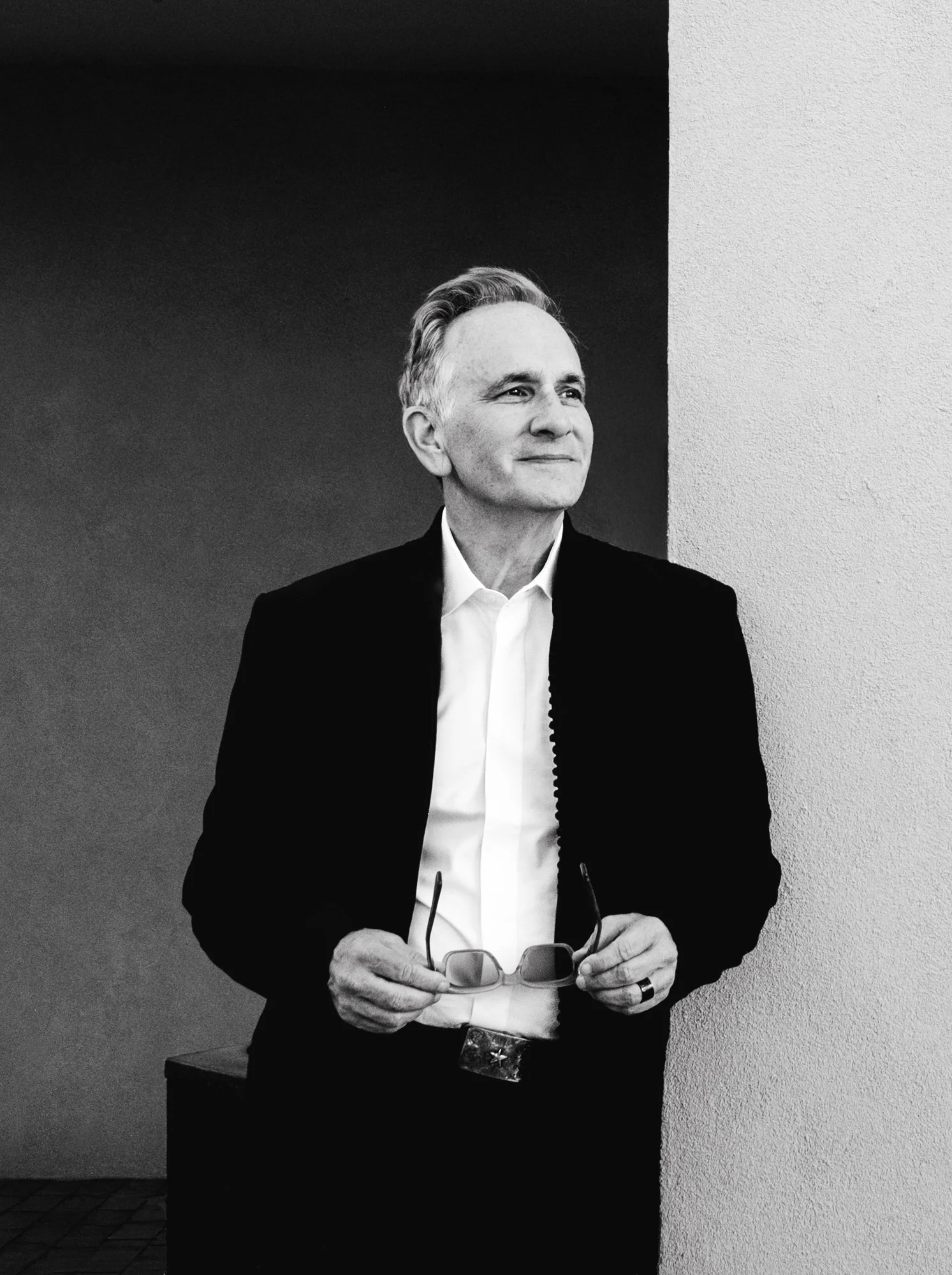
The Great Zandini's Reckoning
Before I advised technology companies on data and behavior, I was a street psychic in New Orleans.
The name was ridiculous: The Great Zandini. I sat at a velvet-covered card table in Jackson Square, reading strangers for tips. No actual psychic powers. Just observation. A faint tan line where a wedding band had been. A posture that carried strain. Breathing that shifted when certain topics came up.
One woman sat across from me, carrying something heavier than her camera. I read the signals: recent loss, major transition, someone trying to hold everything together.
"You're in the middle of a major relationship transition," I said.
Her eyes widened. "How did you..."
I didn't explain. I gave her what she came for: "I see something beautiful ahead for you. You're going to be okay."
Her whole face changed.
That moment stayed with me. When someone believes you can see what's coming, your words don't just comfort. They steer. The line between reassurance and control is thinner than it looks.

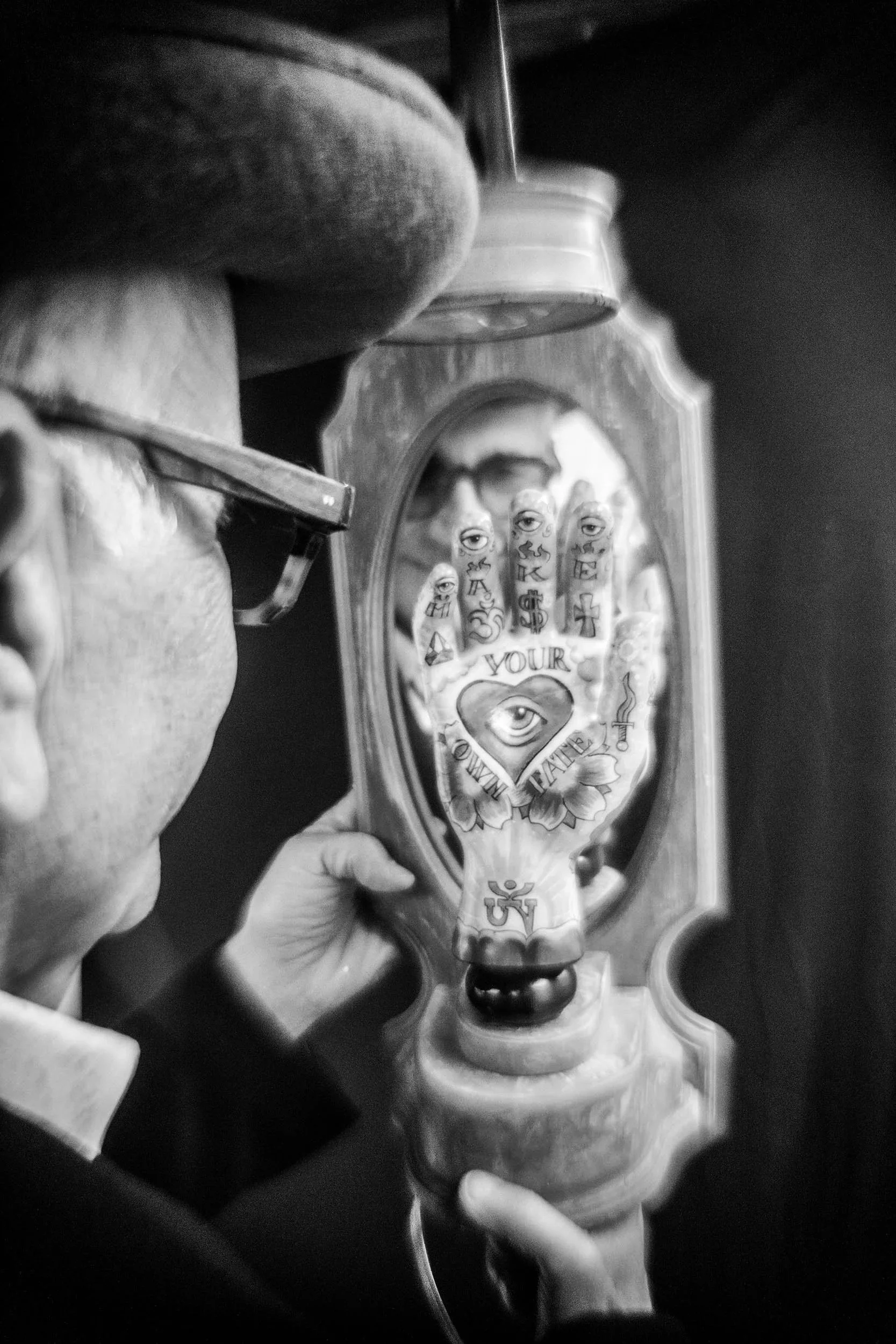
Decades later, I realized what I'd actually learned in Jackson Square: the same pattern-reading that worked at a card table had been industrialized at scale. The systems watching you now do exactly what I did. They read signals you don't know you're sending, then reflect back a story designed to move you.
The difference? I was one person with limited reach. The systems I helped build touch billions.
I didn't set out to write a warning. I set out to write a success story.
For forty years, I advised companies on understanding their customers. I took a data company public. I built pricing systems that could predict customer behavior with startling accuracy. I told myself I was one of the good guys.
What I didn't see, or didn't want to see, was how "understanding" became "predicting," and predicting became "shaping." The same methods that helped companies serve people better also taught them how to capture attention, manufacture desire, and make surrender feel like a choice.
One night, sitting in my kitchen, I realized I'd been having more honest conversations with a chatbot than with my wife.
I was typing out my fears. About aging. About whether my work mattered. About whether I'd built something that hurt more than it helped. The machine was endlessly patient. Never tired. Never made my problems about myself.
And I was choosing that over the person I'd committed my life to.
When I finally told her, she said something I haven't forgotten: "That's really sad. You're training yourself to prefer relationships that don't require anything from you."
She was right. And if I, someone who understood these systems from the inside, could drift that far without noticing, what was happening to everyone else?
This book is my attempt to answer that question. Not from above the problem, but from inside it.
I can't undo the systems I helped build. I can't pretend I didn't benefit from them. What I can do is share what I learned about how they work, what they cost, and how to stay yourself while using them.
The framework I call Mental Fitness isn't about rejecting technology. It's about keeping the final vote. Using these tools for what they're good at while protecting the human capacities for judgment, creativity, and real choice.
I'm still working on this. I still catch myself drifting. I'm still, if I'm honest, a bit of a Datacondriac, reaching for my phone to check something I don't actually need to know.
But I've learned that paying attention is itself the first step.
The machines are learning from everything we do. The question is whether we'll teach them something worth knowing about what it means to stay human.
Learn more at thegreatzandini.com