I got good at predicting people. Too good. Now I'm predictable too.
About the author
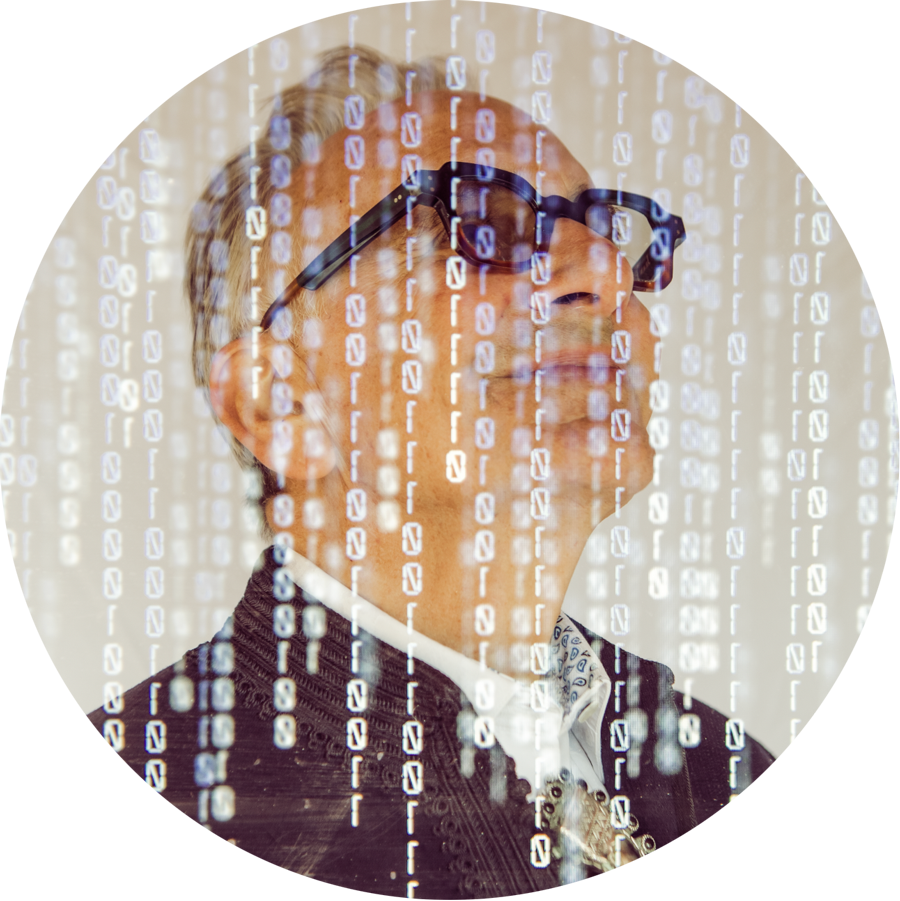
Peter Zandan is Co-founder and Executive Chairman of Quantified AI, an Austin-based company and recognized as one of the 50 fastest-growing AI firms in America He built three successful companies and as he spent forty years advising technology companies on data and human behavior, then realized he'd helped build the problem he's now trying to solve. His book is a reckoning.
About the book
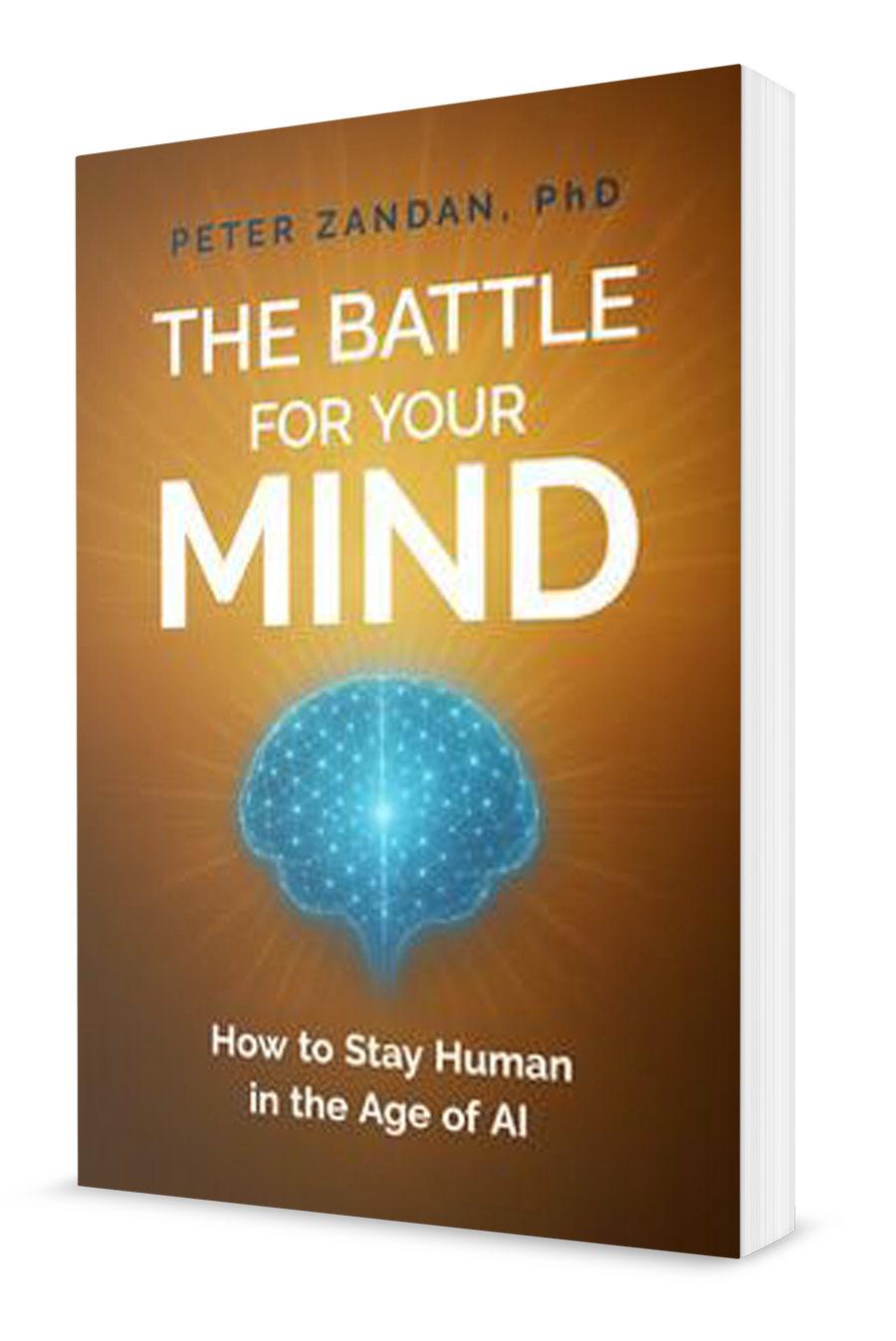
There's a $16 trillion industry built on predicting your next move. Peter Zandan spent decades inside it, helping companies understand what people want, what they'll do next, and how to reach them. Then he noticed the same systems were predicting him.
Part confession, part field guide, The Battle for Your Mind is what he learned trying to get his mind back. And how you can keep yours.
praise
Benefits
See the trade you're actually making every time you accept a recommendation, and decide if it's worth it.
Learn the 70/30 framework that shows you exactly where machines should lead and where you keep the wheel.
Build what the book calls Mental Fitness, the practiced ability to notice when you're being steered and respond on purpose.
Discover if you're a Datacondriac, a term Peter coined for the compulsive need to check data before trusting your own judgment.
Get the confession most tech insiders won't give you, from someone who benefited from these systems and stayed quiet longer than he should have.
Walk away with a framework, not just warnings, for using what technology offers while protecting what it can't replace.
Find yourself in four types of technology relationships (Sleepwalkers, Neo-Romantics, Techno-Centrics, Freeminders) and figure out which one you've become.
- Sleepwalkers - The majority of people who drift through digital life on autopilot, accepting algorithmic suggestions as choices without realizing how much autonomy they’ve surrendered.
- Neo-Romantics - Deliberate resisters who add friction and inconvenience to reclaim presence, depth, and human unpredictability from algorithmic control.
- Techno-Centrics - Optimization enthusiasts who consciously hand decisions to data and systems, achieving measurable gains while quietly sacrificing spontaneity and surprise.
- Freeminders - Strategic users of technology who partner with algorithms while preserving human judgment for meaning, creativity, and consequential choices.
who should read?
- You spend your days working with digital tools, and you've started to wonder if they're sharpening your thinking or quietly replacing it.
- You're a parent watching your kids grow up glued to screens, and you want language for the conversation you know you need to have.
- You work with data, marketing, or communications, and something about the direction feels off, but you can't quite name it.
- You've noticed your attention scattering, your memory living in your phone, and you want to understand what's actually happening.
- You're responsible for decisions about technology adoption, and you need a framework beyond the hype.
- You want to use these tools to become more effective, more creative, and more free, not less.
- You're building something, and you want to do it without losing your soul in the process.
my key ideas

You're not checking your personal device for information. You're checking for permission.
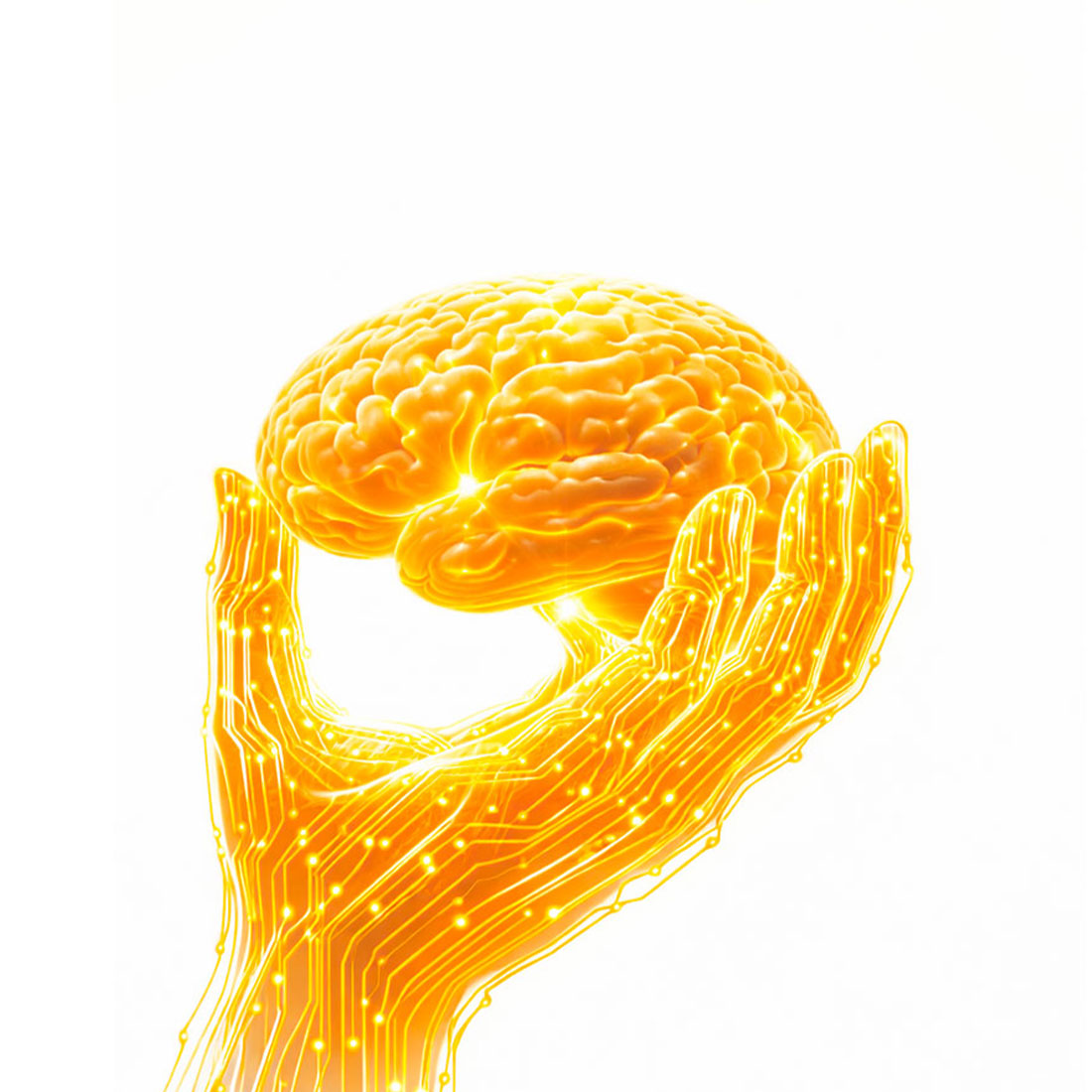
Every recommendation you accept without thinking is a choice you didn't make.

I spent forty years predicting people. Turns out I was the easy one.

Your personal device remembers everything you've done. It has no idea what any of it meant.
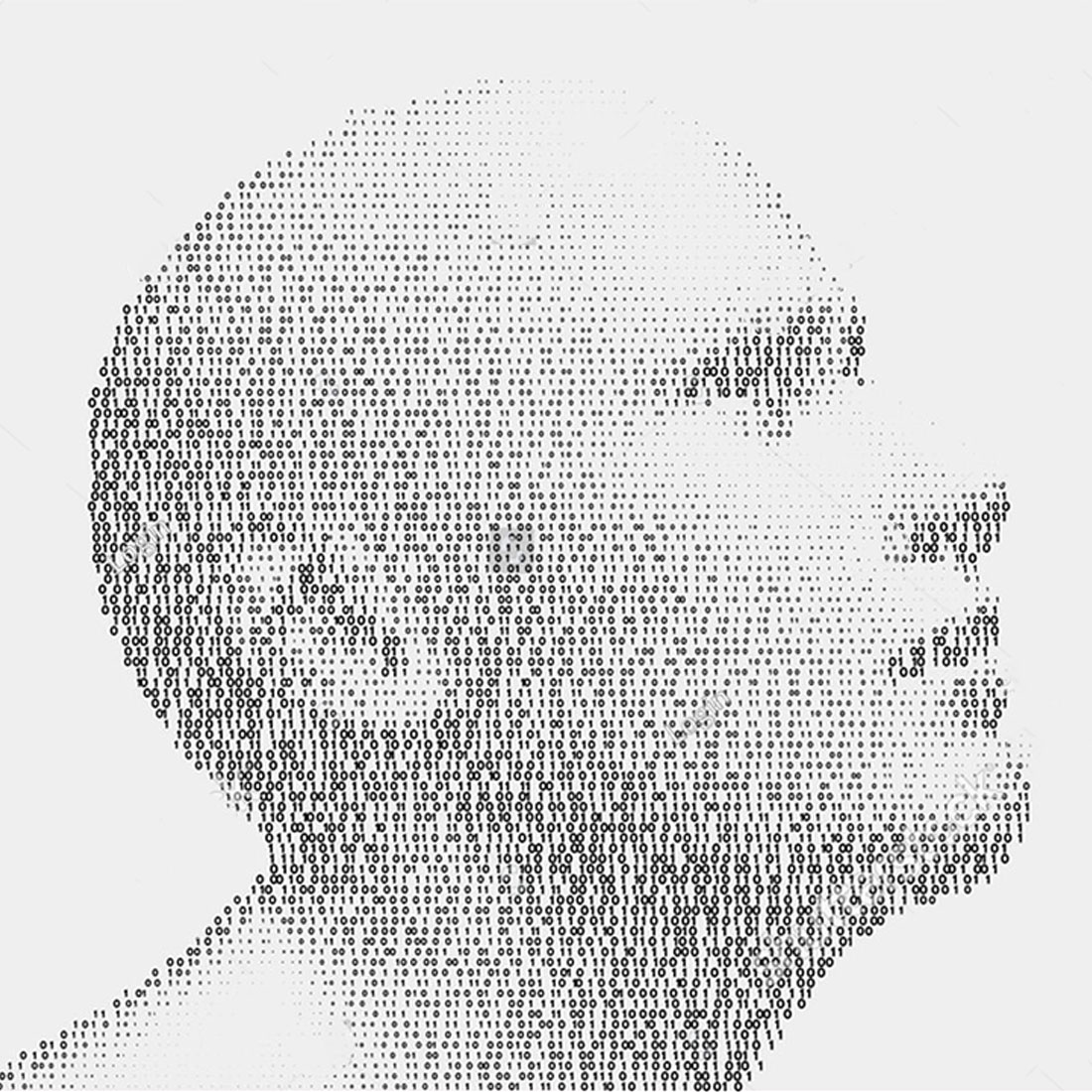
These systems know where you are. They have no idea where you're going.

Every system is built to predict you. Disappoint it.
The share of everyday behavior that prediction systems can anticipate. The other 30% is where your freedom lives.
The percentage of Americans drifting through digital life without realizing there's a choice to make.
The size of the global industry built on predicting and shaping human behavior. You're the raw material.
How long Peter Zandan spent inside the data industry before recognizing what those systems were doing to human judgment, and deciding to write about it.
Featured Interview
Lorem ipsum dolor
Sit amet, consectetur adipiscing elit. Nunc maximus, nulla ut commodo sagittis, sapien dui mattis dui, non pulvinar lorem felis nec erat. Aliquam egestas, velit at condimentum placerat, sem sapien laoreet mauris, dictum porttitor lacus est nec enim. Vivamus feugiat elit lorem, eu porttitor ante ultrices id. Phasellus suscipit tellus ante, nec dignissim elit imperdiet nec... LISTEN TO MORE INTERVIEWS
Latest Blog Posts
Hello World
Lorem ipsum dolor sit amet, consectetur adipiscing elit. Nunc maximus, nulla ut commodo sagittis, sapien dui mattis dui, non pulvinar lorem felis nec erat. Aliquam egestas, velit at condimentum placerat, sem sapien laoreet mauris, dictum porttitor lacus est nec enim. Vivamus feugiat elit lorem, eu porttitor ante ultrices id. Phasellus suscipit tellus ante, nec dignissim…